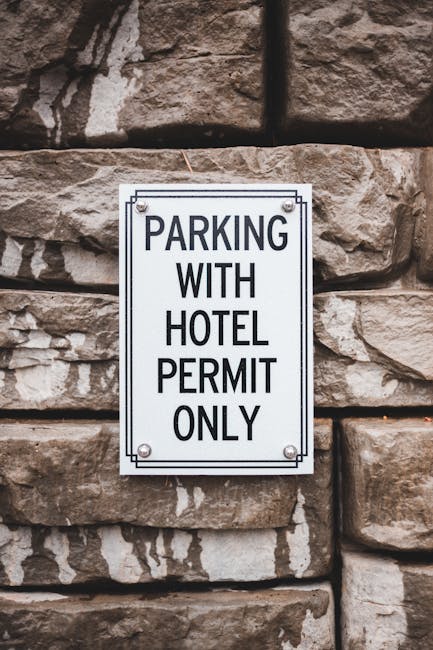
Bekonscot rubbish removal guide access points and permits
If you are planning rubbish removal around Bekonscot, the tricky part is often not the lifting, but the logistics. Where can the vehicle stop? Is there room to turn? Do you need a permit, or can the job be completed with a short, careful load from the kerb? This guide to Bekonscot rubbish removal guide access points and permits breaks down the real-world details that matter before anyone starts moving waste. That means access routes, parking constraints, permit considerations, safety, and the small decisions that save time, money, and a lot of stress.
Bekonscot has its own local quirks, like many parts of Beaconsfield: narrow lanes in places, mixed residential layouts, busy roads at certain times, and properties where access is easier said than done. Truth be told, that is where a little planning goes a long way. Read on for a practical, human guide that helps you understand what to check, what to avoid, and how to prepare a waste removal visit properly.
Why Bekonscot rubbish removal guide access points and permits Matters
Access points and permits sound like admin, but in rubbish removal they are often the difference between a smooth job and a messy one. A van that cannot park close enough means more carrying, more time, and more risk of damage to walls, flooring, gardens, or communal areas. If a permit is needed and nobody arranged it, the vehicle may not be able to stop legally where the waste is. That can stall the work before it even starts.
In practice, this matters for homes, flats, side returns, outbuildings, garages, gardens, and small commercial premises. A single awkward gate or a low archway can turn an otherwise straightforward clearance into a puzzle. And nobody wants to be standing outside with a pile of broken wardrobes thinking, well, this is awkward. A good plan reduces the number of surprise moments.
It also matters for neighbours and the public. Bekonscot is not a place where you want vehicles blocking driveways, creating hazards, or making access difficult for pedestrians. Planning the correct access route helps keep the job discreet, safer, and less disruptive.
Practical takeaway: before booking, work out where the waste is, how it will leave the property, and whether a vehicle can wait legally and safely nearby. That simple check solves more problems than most people expect.
How Bekonscot rubbish removal guide access points and permits Works
Most rubbish removal jobs follow a simple logic: identify the waste, assess access, choose the right vehicle and crew size, and check whether parking or stopping restrictions affect the load-out. That is the basic flow. The details, however, can shift from one property to the next.
Here is the usual process in plain English:
- Access review: the team looks at where rubbish is located and how far it must be carried.
- Vehicle positioning: they decide whether a van, tipper, or larger vehicle can park close enough.
- Permit check: they consider whether any parking permission, suspension, or temporary access arrangement is needed.
- Safety planning: they assess steps, slopes, overhead obstructions, slippery surfaces, or tight turns.
- Removal and loading: items are carried out carefully, usually with the shortest safe route.
- Waste handling: the load is sorted for recycling, reuse, or disposal in line with best practice.
Sometimes the best access point is obvious: a driveway, a rear gate, or a ground-floor side entrance. Sometimes it is not. You may have to use the front elevation because the back path is too narrow, or the rear alley is blocked by a locked gate. In terrace-style streets or properties with limited frontage, the "best" route is often the one that is legally workable rather than the one that looks easiest on paper.
Permits are the other half of the equation. If a vehicle needs to stop in a restricted bay, on a controlled street, or in a way that could affect parking enforcement, a permit or some form of temporary permission may be required. The exact process depends on the location and the authority involved, so it is wise to confirm early rather than assume.
Key Benefits and Practical Advantages
Getting access points and permits right is not just about compliance. It makes the whole job cleaner, faster, and less expensive in practical terms. That is the bit many people feel after the fact.
- Fewer delays: the crew can start immediately if they know where to park and enter.
- Less lifting distance: shorter carries reduce strain and speed up the work.
- Lower risk of damage: less weaving through hallways, door frames, and garden features means fewer scuffs and bumps.
- Better safety: predictable access helps avoid trips, slips, and awkward manoeuvres.
- Smoother neighbour relations: legal parking and tidy load-outs are less intrusive.
- More accurate quotes: the cleaner the access information, the more realistic the pricing.
There is also a trust angle. If a provider asks sensible questions about access, parking, and permits, that is usually a good sign. They are thinking ahead rather than hoping for the best. And let's face it, rubbish removal is one of those jobs where "we'll see on the day" can be a bit too casual.
Another advantage is timing. If the job involves household items, builders' waste, or a garage full of mixed clutter, access planning can make the difference between a 45-minute collection and a half-day wrestle with narrow corners. Not glamorous, but very real.
Who This Is For and When It Makes Sense
This guide is useful for anyone arranging rubbish removal in or around Bekonscot who wants fewer surprises on collection day. That includes:
- Homeowners clearing lofts, garages, sheds, and spare rooms
- Landlords handling end-of-tenancy clearances
- Letting agents preparing a property for re-marketing
- Tradespeople dealing with renovation waste
- Office managers clearing furniture or old equipment
- Families sorting through bulky household clutter after a move
It makes sense any time the property has awkward access, limited parking, or a waste pile that is not right by the front door. Even a modest job can become inefficient if the access route is poor. A small example: a couple of sofas in a rear extension may be fine if there is a wide side path, but a nightmare if the only route is through a narrow kitchen and down a tight step. Same waste, completely different job.
If you are also comparing providers, this is a good moment to look at a few trust markers too. A transparent company will usually explain how they handle safety, insurance, and payment, and may provide clear information through pages like about the team, health and safety policy, and insurance and safety information.
Step-by-Step Guidance
If you want the simplest possible route to a smooth collection, use this sequence. It is not fancy, but it works.
- List the waste clearly. Note bulky items, bagged waste, builder's rubble, garden waste, and anything fragile or hazardous.
- Measure the access route. Check gate widths, corridor width, step heights, low overhangs, and turning space.
- Identify the closest legal stopping point. Think about where a vehicle can stand without causing obstruction or inviting a parking issue.
- Ask whether a permit or permission is needed. If the vehicle must use a controlled bay, restricted street, or managed parking space, confirm the process early.
- Share photos if possible. One or two honest pictures of the route, the gate, and the waste pile can save a lot of back-and-forth.
- Clear the route in advance. Move plant pots, bikes, boxes, or loose debris that could slow the crew down.
- Protect surfaces if needed. For delicate floors or fresh paintwork, ask how the team approaches protection and safe movement.
- Confirm timings. Choose a slot when access is least likely to be blocked by school runs, deliveries, or neighbours' cars.
One thing people often forget: access is not just width. It is also shape, surface, and timing. A path that is wide enough may still be unusable if it has a sharp bend, a wet slope, or a heavy gate that catches in the wind. Small things. Big difference.
If permits or parking arrangements are involved, keep the confirmation somewhere easy to find. You do not want to be rummaging through emails while a truck sits outside and everybody is waiting. Been there, seen that, not ideal.
Expert Tips for Better Results
Below are the little details that usually make a job better. These are the sorts of things experienced crews notice quickly.
- Choose the nearest realistic access point, not just the nearest one. A route that looks short but is full of obstacles can be slower than a slightly longer, cleaner path.
- Use photos from standing height. A picture taken from the doorway or gate usually tells more than a close-up of the waste pile.
- Keep bins, cars, and delivery items out of the way. One blocked corner can ruin an otherwise tidy plan.
- Separate anything reusable or sensitive. Important documents, personal keepsakes, and electrical items should be set aside early.
- Be honest about weight and bulk. A mattress is easy enough; a mattress plus damp carpet, old shelving, and broken tiles is another story.
- Think about weather. Rain makes paths slick and adds a bit of extra care. A damp morning in the UK changes things more than people expect.
Here is a small but useful rule: if you are wondering whether a permit is needed, ask the question before the job, not during it. That single habit avoids most awkward phone calls. Also, if you are comparing quotes, read the fine print and ask what happens if access is worse than expected. Some providers are clearer than others, and clear is what you want.
For people who value tidy, well-managed service, it can also help to understand how a business handles billing and data. You can review pages like pricing and quotes, payment and security, and privacy policy if you are deciding who to trust.
Common Mistakes to Avoid
Most access problems are avoidable. The annoying part is that they are usually avoidable in very ordinary ways.
- Assuming a van can park anywhere. Parking restrictions still apply, even for a short stop.
- Leaving permit checks until the day of the job. That is how collection windows get squeezed.
- Underestimating the carry distance. Twenty metres sounds short until you repeat it a dozen times with awkward items.
- Ignoring stairwells and tight corners. One awkward turn can dominate the whole clearance.
- Not telling the provider about locked gates or intercoms. It sounds obvious, but it happens all the time.
- Forgetting communal rules. Flats and managed developments often have their own access expectations.
Another common mistake is assuming all waste can be mixed together. In reality, materials may need to be sorted so the job can be handled responsibly. That is not just a technical point; it shapes how a team loads the vehicle and what can be recycled. If the provider has a clear recycling and sustainability approach, that is usually a positive sign.
Sometimes the mistake is emotional, not technical. People leave access planning until the last minute because the rest of life is busy, and fair enough, life is busy. But a ten-minute check the day before can save a headache the next morning.
Tools, Resources and Recommendations
You do not need specialist equipment to prepare well, but a few simple tools help a lot.
- Measuring tape: useful for gates, doors, corridors, and narrow side passages.
- Phone camera: take a few clear photos of access points, waste location, and any parking constraints.
- Notepad or phone notes: write down widths, opening times, and any site instructions.
- Torches or phone lights: helpful for darker side alleys, basements, or sheds.
- Gloves and sturdy footwear: only if you are helping to move light items yourself.
For service-related questions, the most useful resources are often the company's own pages: contact the team to discuss access, visit pricing and quotes to understand how access can affect cost, and check terms and conditions if you want to understand expectations before booking.
If the job is sensitive, for example involving an occupied property, shared entrance, or awkward communal area, it is worth asking how the provider handles safety and complaints too. That is not being fussy. That is being sensible.
Law, Compliance, Standards, or Best Practice
Rubbish removal in the UK sits within a wider framework of safe waste handling, responsible transport, and lawful parking or stopping. The exact permit need depends on where the vehicle will wait, what restrictions apply, and whether any local permission is required. Because procedures vary, it is best not to guess. If a bay is controlled, if access is on private land, or if work might affect neighbours or traffic flow, confirm the correct approach before booking the collection.
Best practice usually includes:
- keeping access routes safe and free from avoidable hazards
- using suitable equipment for lifting and carrying
- respecting property boundaries and communal rules
- planning vehicle positioning to reduce obstruction
- sorting and disposing of waste responsibly
It is also good practice for the provider to have clear policies around safety, insurance, security, privacy, and complaints handling. These do not make the clearance more glamorous, of course, but they do make the service easier to trust. If you want to understand the standards behind a provider's working approach, pages like health and safety policy, insurance and safety, complaints procedure, and accessibility statement are useful reading.
Expert summary: if access is easy, the job is usually straightforward. If access is tight, the quality of planning matters more than the size of the pile. That is the heart of it.
Options, Methods, or Comparison Table
Different properties call for different approaches. The right method depends on access, parking, waste volume, and whether permits or permissions are involved.
| Method | Best for | Access needs | Pros | Watch out for |
|---|---|---|---|---|
| Van parked close to the property | Most domestic clearances | Short, legal stopping distance | Fast, efficient, less carrying | Parking restrictions and bay rules |
| Long carry from property to vehicle | Tight streets or blocked frontage | Clear walking route | Works where parking is limited | Slower, more labour, more risk of bumps |
| Rear or side access route | Homes with gates, alleys, or garden routes | Wide enough opening, clear ground | Can avoid front-door disruption | Locks, low walls, steps, uneven surfaces |
| Managed access with permission or permit | Controlled streets, shared sites, flats | Advance approval and timing | More predictable if arranged properly | Missing paperwork can delay the job |
There is no single "best" option in every case. A driveway job can be done quietly and quickly, while a flat clearance may need a more deliberate approach. The correct method is the one that keeps the load-out safe, legal, and efficient.
Case Study or Real-World Example
Imagine a typical Bekonscot property with waste stored in a rear garden shed and a few bulky items in the garage. The front parking space is limited, the side path is just wide enough for a person but not ideal for furniture, and the rear gate opens onto a small service area shared with neighbours. On paper, that sounds awkward. In real life, it just needs planning.
The first step is to check whether the vehicle can legally stop near the front or whether a controlled parking arrangement is needed. Next, the access route is measured: gate width, path surface, and any steps. A few photos are shared in advance. The clearance team then chooses the safest load-out path, which may mean taking smaller items first and leaving the heaviest piece until the route is clear. Simple, but effective.
In a case like this, the main time saver is not brute force. It is sequence. The job runs better when the team knows which route to use, where the vehicle will wait, and whether the access point is shared with anyone else. Small detail, big impact. And yes, the garden gate that sticks every third opening always shows up at the worst moment. Naturally.
What usually impresses people in these situations is not speed for its own sake. It is calm, orderly progress. A tidy route, a careful carry, no drama. That is what a good removal feels like.
Practical Checklist
Use this before you book or on the day before collection.
- Have you identified every item to be removed?
- Do you know exactly where the waste is located?
- Have you measured gates, doors, corridors, and narrow turns?
- Is there a clear route from the waste to the exit point?
- Can a vehicle stop legally and safely nearby?
- Do you know whether a permit or permission is required?
- Have you shared photos of access points if needed?
- Have you moved cars, bins, and loose items out of the way?
- Are any items delicate, personal, or should be set aside?
- Have you checked the provider's safety, insurance, and payment information?
Quick sanity check: if one part of the route feels like a squeeze, assume it will be a squeeze on the day too. That little bit of caution helps.
Conclusion
Bekonscot rubbish removal guide access points and permits is really about one thing: making the waste collection work in the real world, not just in theory. The better the access planning, the less chance of delays, damage, confusion, or parking headaches. And if a permit or special access arrangement is needed, finding that out early keeps the whole process calm and manageable.
The best results usually come from a simple mix of honesty, measurement, and clear communication. Know what needs removing, know how it gets out, and know where the vehicle can stand. Do that, and the whole job becomes far more straightforward.
If you are still weighing up your options, or you want a clearer idea of what your access setup means for cost and timing, the next sensible step is to speak to a local team that can assess the job properly and explain what happens next.
Get a free quote today and see how much you can save.
And if the route is a bit awkward, do not worry. A careful plan solves most of it, and a good team will know exactly how to work with the space you have.
Frequently Asked Questions
Do I need a permit for rubbish removal in Bekonscot?
Sometimes, yes, but not always. It depends on where the vehicle needs to stop, whether the road or bay is controlled, and whether any local access arrangement is required. If parking is straightforward, a permit may not be needed. If access is tight or restricted, it is worth checking before the collection day.
What are access points in rubbish removal?
Access points are the routes used to move waste out of the property, such as front doors, side gates, rear alleys, garages, driveways, or shared entrances. The best access point is usually the one that is safe, legal, and shortest for the carry.
How do I know if my property has difficult access?
If there are narrow gates, tight staircases, steep steps, low walls, shared corridors, or limited parking, access may be classed as difficult. A quick photo review or a short measurement check usually makes that clear very quickly.
Can rubbish be removed from a rear garden or alleyway?
Yes, often it can, provided the route is safe and there are no access restrictions. The main considerations are gate width, surface condition, security, and whether the carrying distance is reasonable.
What happens if a vehicle cannot park close enough?
The crew may need to use a longer carry, wait for a different space, or reschedule if legal stopping is not possible. This can affect time and cost, which is why it is best to mention parking issues early.
Will a rubbish removal team sort out the permit for me?
Some providers can advise on what is needed, but the exact arrangement depends on the location and the type of permit or permission involved. Do not assume it will be handled automatically. Ask explicitly before booking.
How much information should I give when requesting a quote?
As much as you can. The more accurate the access, waste type, and parking details, the better the quote. A few photos, a short description, and any known restrictions are usually very helpful.
What if my access route is through a communal area?
Then it is wise to check any site rules, resident expectations, or management instructions in advance. Communal spaces can be sensitive, especially in flats or managed developments, so planning matters more than usual.
Are there safety concerns with tight access removal?
Yes. Tight access can mean more lifting strain, more risk of knocks or slips, and more chance of delays. Good planning, suitable equipment, and sensible carrying techniques reduce those risks a great deal.
Should I move items myself before the team arrives?
Only if it is safe and manageable. Moving small, light items or clearing a route can help, but heavy lifting should be left to the professionals. It is better to prepare the space than to try to do everything at once.
Does access affect the price of rubbish removal?
Usually, yes. Easier access can mean faster work and lower labour time, while difficult access may require more effort. That is why providers often ask about parking, stairs, gates, and carry distance before giving a quote.
How can I make the removal day go smoothly?
Clear the route, confirm parking, share any access photos, and keep permits or permission details handy. If you are unsure about anything, ask early. A good bit of preparation takes the pressure off on the day, and that is worth a lot.
Contact the team if you want to talk through access points, permits, or a quote for your Bekonscot clearance. A quick conversation can save a surprisingly long delay later.