House Clearance in Beaconsfield

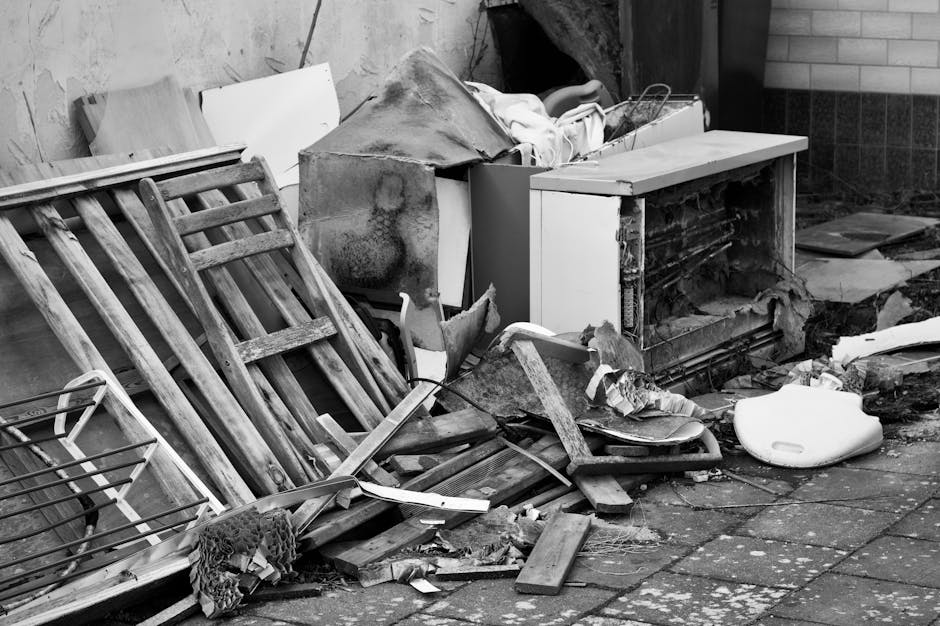
House clearance in Beaconsfield should feel organised, respectful and clear from the outset. We provide a practical clearance service for homes, flats, lofts, garages and other domestic spaces, helping customers deal with unwanted contents in a straightforward way. Whether the task involves a single bulky item or a fuller property clearance, the focus is on careful sorting, sensible removal and a finished space that is ready for its next use.
Our approach to house clearance is built around the type of property and the items involved, so the work can be planned properly rather than handled as a one-size-fits-all job. We can clear furniture, general household contents and mixed items from rooms, outbuildings and storage areas, and we treat different materials separately where that helps with re-use, recycling or disposal. That makes the process easier to manage and better suited to homes with varied contents.
If you are comparing options, use the rest of this page to see how the main service is usually arranged and what kinds of clearing work can be grouped together. Request a quotation when you are ready, and we can help you decide which parts of the property need attention first.
Domestic clearance for full and partial property work

A good clearance service starts with deciding whether the job is full or partial. Some customers want the complete contents removed from a property, while others only need selected rooms or certain types of items taken away. The benefit of a focused approach is that it keeps the work proportionate to the property and avoids removing anything that should remain in place. We can work from your instructions room by room, item by item, or as a broader whole-house clearance.
Where a property contains mixed belongings, we sort as we work so that reusable items, recyclable materials and general waste are handled appropriately. This is especially useful in homes where furniture, soft furnishings, small appliances and boxed contents have been left together. The aim is not only to clear space, but to make sure the removal process is as orderly as possible. If you need a clearer picture of the cost factors, the pricing and quotes page is a sensible place to look alongside the main service details.
For many customers, the most useful preparation is simply to decide what stays and what goes. If there are items with personal value or paperwork among the contents, set those aside before the clearance begins. A brief inventory, a few photos and any access notes can help the work be planned accurately, especially if rooms are awkward, cluttered or spread over more than one floor. That keeps the quotation process focused and practical.
Furniture, bulky items and careful removal

Large furniture often drives the pace of a clearance, particularly when wardrobes, sofas, beds, cabinets or dining sets need to be taken from rooms without damage to walls, stairwells or floors. We handle furniture clearance as part of a wider house clearance or as a standalone service when only certain bulky items need removing. The work is planned around access, lifting routes and the condition of the items so that everything can be moved with care.
When furniture is no longer wanted but remains in usable condition, it may still be suitable for reuse or separate recovery depending on its state. We also handle disposal where items are beyond practical use and need to be broken down or removed with other mixed contents. For customers who want a more specific furniture-focused option, our furniture clearance and furniture disposal pages provide useful detail on the different ways these items can be managed.
It helps to think about bulky items early because they can shape the whole job. Narrow halls, upper floors and awkward turnings may affect how the clearance is organised, while disassembly may be useful for some larger pieces. We do not assume every item is to be removed in the same way; instead, the plan is adjusted to the furniture, the room layout and the level of access available on the day.
Lofts, garages and storage-heavy spaces
Many home clearances become more complex when lofts, garages or other storage spaces are involved. These areas often contain a mix of seasonal items, old boxes, tools, forgotten furniture and household materials that have built up over time. A structured clearance makes it easier to separate what is simply stored from what is ready to be removed. We can include these spaces within a broader property clearance or treat them as standalone jobs when only one area needs attention.
Our loft clearance service is suitable for spaces where access is limited and items may need to be carried carefully through the property, while garage clearance works well where the contents have become too bulky or mixed to sort quickly without assistance. In both cases, the practical aim is to clear the area efficiently while keeping control of the process. That is particularly useful when storage areas contain a combination of recyclable, reusable and general items.
If you are preparing for a clearance in one of these spaces, it is worth checking for anything fragile, sentimental or required later in the day. Keep the essentials separate, and note any access points that may affect movement through the building. These simple steps can make the service more straightforward without turning preparation into a major task in itself.
House contents, flats and smaller domestic properties

Not every clearance involves a large detached home. Flats, maisonettes and smaller properties often need just as much care, especially where stairs, shared entrances or limited parking make moving items more awkward. A flat clearance can involve furniture, white goods, bagged contents and general household clutter, all of which need to be handled with consideration for the building and any access restrictions. The work is usually planned so that removal is tidy and disruption is kept low.
Our flat clearance service is especially useful where contents need to be removed from upper floors or compact spaces with limited circulation room. For broader domestic jobs, home clearance is the natural option when more than one area of the property is involved and the work needs to be coordinated across rooms. That makes it easier to arrange a clearance that matches the scale of the property rather than forcing it into a fixed pattern.
In smaller homes, the best results often come from a clear decision on priorities: what must go first, what should be checked before removal and what can stay until later. One clear list is usually better than several partial instructions, because it helps the clearance stay orderly when space is tight and items have to be moved carefully through doorways and communal areas.
Garden and exterior clearance work
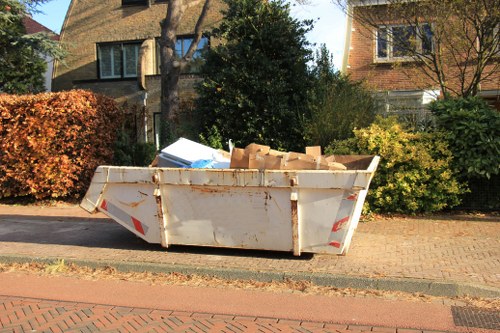
House clearance is not always limited to the inside of the property. Gardens, sheds and outside storage can accumulate broken equipment, weathered furniture, plant containers, old timber, fencing offcuts and general outdoor waste that needs removing before the space can be used properly again. Our garden clearance service is designed for those exterior areas where the contents have become difficult to manage, and where a tidy finish depends on clearing both bulky and loose items.
For outdoor jobs, the process often begins by separating garden waste from items that belong with household contents or with separate disposal streams. That matters because not everything in an outside space is the same type of material, and some items may need a more specific removal approach. The garden clearance page gives a clear route to this kind of work, while waste removal is the broader option if the load includes several different material types.
Exterior clearance can be made simpler by identifying fragile structures, narrow side access or items that have been left behind for a long time. If there are garden ornaments, tools or containers you want to keep, place them away from the main working area before the clearance begins. That reduces the chance of mix-ups and allows the job to move through the outdoor space in a more predictable way.
Office, business and mixed-use property clearing
Although this page focuses on domestic work, some customers also need a clearance for office rooms, storage areas or mixed-use properties that contain furniture and equipment rather than household contents alone. In those cases, a business clearance approach may be more suitable, especially where desks, chairs, filing items or surplus stock need to be removed in an organised way. The key consideration is how the space is used and what must remain undisturbed while the clearing takes place.
Our office clearance and business waste removal pages are relevant if the job includes work premises as well as domestic premises, or if you want to compare the type of removal needed for furniture and mixed office contents. builders waste clearance may also be useful where a property has been left with renovation debris alongside household items, because construction waste needs handling separately from ordinary contents.
Tell us what is staying and what is going so the work can be planned around the right spaces. If the clearance involves both residential and work-related items, a simple room-by-room list often gives the clearest starting point and helps avoid confusion where the contents are mixed.
Sorting, reuse and responsible handling of items
A well-run house clearance does more than move items out of a property. It also considers what can be reused, what can be separated for recycling and what should be treated as general waste. That judgement is especially important when a home contains a wide variety of belongings gathered over time. By sorting the contents properly, the clearance can be handled more thoughtfully and with better control over the different item types involved.
Our recycling and sustainability information explains the wider approach to handling materials responsibly, while insurance and safety is relevant where you want to understand the precautions taken around access, lifting and property care. We also keep payment information clear on the payment and security page, which can be useful if you are gathering practical details before you request a quotation.
It is usually sensible to group obviously important items before the clearance begins, then leave the rest of the sorting to the removal plan. That way, the work can proceed without constant interruption, and anything of potential value or personal significance can be checked separately. This measured approach suits homes where the contents are mixed, because it reduces both uncertainty and unnecessary handling.
How to prepare for a quotation and clearance visit
A quotation is easier to prepare when the scope of the job is clear. A few photographs, a short description of the property and any notes about access can be enough to outline the work. If there are stairs, narrow doorways, parking limits or other access points that may matter, mention them early. That does not need to become a long checklist; it simply gives the clearance an accurate starting point and helps the arrangement reflect the actual property.
For customers who are comparing different kinds of work, the about us page gives general company information, while the contact us page is the place to send an enquiry when you are ready to ask for a quotation. If you have already decided which rooms, lofts or garages are included, note that as clearly as possible. Clear instructions save time, and they help the response focus on the right service rather than on unnecessary follow-up.
When the job is sizeable, it can also help to separate the work into practical parts before the quotation is confirmed. For example, you may want one area cleared first and other rooms handled afterwards, or you may need certain furniture left in place until another arrangement is made. A concise summary of those priorities is usually enough to shape the plan without adding complexity.
About Beaconsfield
Beaconsfield is a Buckinghamshire market town known for its historic old town, its later planned new town and its position close to the Chiltern Hills. The old town grew up along the medieval route between London and Oxford, and its historic character is still reflected in the layout of the streets and the number of older buildings around the centre. One of the most recognisable features is the town’s association with the early Royal Latin School, founded in the sixteenth century, which remains part of the wider educational history of the area. Beaconsfield also has a strong literary connection through the figure of Edmund Burke, who lived nearby, and through the town’s later role as a comfortable commuter settlement with easy rail access to London. The railway station, opened in the nineteenth century on the Great Western route, helped shape modern growth and encouraged development beyond the older core. The new town, laid out in the twentieth century, contrasts with the older streets by offering wider roads and more planned residential areas. The surrounding countryside is another important part of Beaconsfield’s identity, with the Chilterns providing wooded hills, footpaths and open views just beyond the built-up area. Local architecture ranges from historic brick and timber-framed buildings in the old town to more varied twentieth-century housing and commercial buildings in the newer sections. This blend of heritage, transport links and landscape makes Beaconsfield a place where the older market-town character remains visible alongside modern residential life.
Flexible clearance options for different property situations
Some households need a straightforward clearance of unwanted furniture and general contents, while others need a more careful approach because the property is partly furnished, being prepared for sale or changing hands after a long period of storage. We can adapt the work to those different situations without turning the job into something overcomplicated. The important thing is that the scope is understood clearly, so the clearance can be matched to the actual state of the property.
In some cases, a customer only needs a furniture clearance because the larger items are the main issue, while the remaining contents are already sorted. In others, the broader waste removal route is more suitable where the property contains a mixed load that is not limited to furniture alone. Where the job includes a larger domestic reset, a home clearance remains the most useful all-round option because it covers the property as a whole.
If you are deciding between these options, think about the contents first and the label second. The right service is usually the one that fits the actual items, access and volume involved. We can help shape that choice once you have a clear view of which rooms, sheds or storage spaces are included and whether anything needs to be kept aside.