Urgent rubbish collection Beaconsfield booking tips avoid mistakes
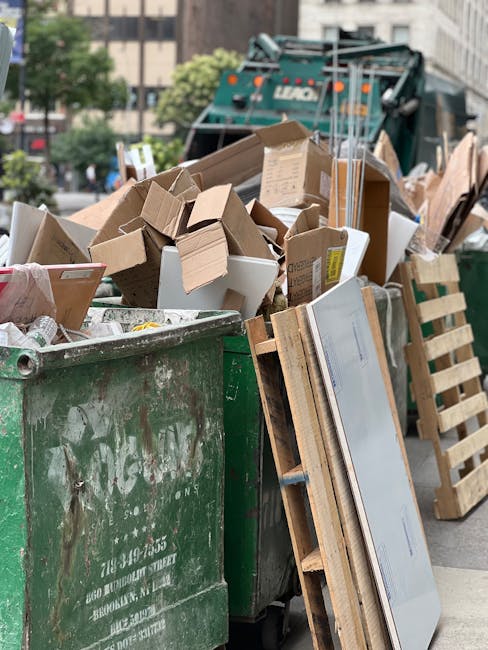
If you need urgent rubbish collection in Beaconsfield, the pressure usually comes from somewhere very ordinary: builders turning up tomorrow, a flat that has to be handed back, a garden that's become a bit of a battlefield, or a pile of waste sitting in the way of a proper clean-up. The problem is that rushed bookings are where costly mistakes creep in. A missed item, the wrong vehicle, unclear access, or a vague price can turn a quick job into a messy one. This guide gives you practical urgent rubbish collection Beaconsfield booking tips avoid mistakes, so you can book faster, stay calm, and avoid the usual headaches.
We'll cover what urgent collection actually means, how the booking process works, what to check before you confirm, and the simple decisions that save time on the day. There's also a checklist, a comparison table, and a few real-world examples, because let's face it, nobody needs more theory when the hallway is full of broken furniture and old boxes.
- Quick answer: book only after you've identified the waste type, the access route, the likely volume, and any heavy or awkward items.
- Main risk: underestimating what needs removing, which often leads to delays or extra charges.
- Best outcome: a clear quote, a realistic collection window, and a team that knows exactly what they're walking into.
Table of Contents
- Why urgent rubbish collection booking matters
- How the booking process works
- Key benefits and practical advantages
- Who this is for and when it makes sense
- Step-by-step guidance
- Expert tips for better results
- Common mistakes to avoid
- Tools, resources and recommendations
- Law, compliance, standards and best practice
- Options, methods and comparison table
- Case study or real-world example
- Practical checklist
- Conclusion
- Frequently asked questions
Why urgent rubbish collection booking matters
Urgent waste removal is less about "same-day magic" and more about good preparation under time pressure. If you book in a hurry without enough detail, the wrong vehicle can arrive, or the crew may not be able to take everything away in one go. That's frustrating for everyone, especially if you're trying to clear a property, meet a deadline, or keep a job moving.
In Beaconsfield, as in most places, people usually need urgent rubbish collection for practical reasons rather than convenience. Maybe a landlord needs a tenancy turned around. Maybe a tradesperson has finished a job and the site has to look tidy. Maybe a family is clearing a garage before a weekend move. The point is the same: delay costs energy, money, and sometimes goodwill.
Booking carefully matters because rubbish collection is not just about lifting things. It is about deciding what should be removed, what may need separate handling, whether access is straightforward, and how quickly the job can realistically be done. If you get those parts right, the rest tends to run smoothly. If not, things can get awkward fast.
One small thing people often miss: urgency can tempt you to skip the questions you'd normally ask. Don't. A five-minute check now can save an hour of back-and-forth later. Truth be told, that's often the difference between a tidy same-day result and a stressed-out afternoon by the driveway.
How urgent rubbish collection booking works
Most urgent rubbish collection bookings follow a fairly simple pattern. You describe the waste, explain how much there is, share access details, and agree a collection time. The cleaner the information you provide, the more accurate the quote and schedule will be.
For a fast booking, expect the provider to ask about:
- the type of waste, such as household junk, garden debris, furniture, builders' waste, or office items
- rough volume, often described by bags, cubic yards, load size, or a photo assessment
- items that may need special handling, like mattresses, large wardrobes, awkward appliances, or heavy rubble
- access, including stairs, narrow lanes, parking limits, and whether the waste is inside or outside
- timing constraints, especially if you need collection before a move, delivery, inspection, or builder start time
A good booking process is transparent. You should know what is included, what may cost extra, and whether the crew can complete the job on the first visit. If you're asked for photos, send clear ones from a few angles. A quick image of the pile, the entry point, and the access route tells a story much faster than a long message. And yes, that usually helps the estimate too.
If you are arranging a larger clearance, it may be worth looking at broader services such as waste removal or a more specific option like house clearance, depending on the job. For furniture-heavy jobs, furniture disposal or furniture clearance may fit better. The point is to match the service to the waste, not the other way round.
Key benefits and practical advantages
Urgent collection is valuable for obvious reasons, but the practical benefits are broader than speed alone. When done properly, it reduces stress, keeps spaces usable, and helps you avoid repeat handling of the same mess. Nobody enjoys shifting the same pile twice.
Main advantages include:
- Speed: you get space back quickly, which is crucial when time is tight.
- Less disruption: one well-planned visit is easier than a series of partial clearances.
- Better organisation: a booked collection pushes the job from "I'll deal with it later" into actual progress.
- Safer handling: trained collectors can manage bulky or awkward waste more carefully than a rushed DIY lift.
- Cleaner finish: the area is usually left more usable, which matters after building work, garden work, or a move.
There's also a less obvious benefit: control. When rubbish starts spilling into rooms, driveways, or pathways, it gets into your head. You notice it every time you walk past. Getting it removed quickly can make a house, garage, loft, or office feel manageable again. That emotional relief is real. You can almost hear the place breathe again once the clutter is gone.
For businesses, fast collection can support compliance, customer presentation, and day-to-day flow. If you need routine clearance rather than a one-off visit, business waste removal is worth considering. For a worksite with heavy debris, builders waste clearance may be the better fit.
Who this is for and when it makes sense
Urgent rubbish collection is not just for emergencies. It suits anyone who needs a fast, organised clear-out with minimal fuss. In practice, that can mean homeowners, tenants, landlords, tradespeople, office managers, letting agents, and people handling a property at short notice.
Typical scenarios include:
- End of tenancy: you need items removed before inspection or handover.
- Post-renovation clean-up: broken fittings, packaging, timber, and old materials are in the way.
- Garden overhaul: branches, soil bags, and green waste have piled up after weekend work.
- Garage or loft clear-out: decades of storage suddenly need sorting, and there's no time to drag it out.
- Office reset: redundant furniture, cardboard, and general waste need clearing quickly.
A smaller flat can be just as demanding as a large property, especially where access is tight. If that's your situation, flat clearance is worth looking at. If the issue is upstairs storage, loft clearance can save a lot of awkward lifting. For cluttered outbuildings, garage clearance is often the most sensible route.
To be fair, if you only have a couple of bin bags, you may not need a specialist same-day visit. But once the pile becomes bulky, mixed, or time-sensitive, the value of a proper urgent collection rises quickly.
Step-by-step guidance
If you want the smoothest possible booking, use a simple process. It sounds basic, but basics are where most mistakes happen. Here's the approach that tends to work best.
- Identify the waste clearly. Separate general rubbish from furniture, garden waste, rubble, electrical items, and anything potentially restricted.
- Take a quick inventory. Count bags, note bulky items, and estimate whether it is a small, medium, or large load.
- Photograph the pile. Include the full amount, close-ups of awkward pieces, and access points like gates, stairs, or narrow hallways.
- Check the access situation. Think about parking, road width, loading distance, lift access, and whether the waste is upstairs or outside.
- Ask for what is included. Confirm labour, loading, disposal, and any minimum charge before accepting the booking.
- Clarify timing. If you need a tight window, say so early. Don't assume the crew will "just know".
- Flag problem items. Heavy rubble, wet soil, large wardrobes, broken glass, or unusually awkward items should be mentioned in advance.
- Confirm the final details. Recheck date, arrival window, contact number, and payment method the day before if possible.
If the job is mostly household clutter, a broader home clearance service may be the cleanest way to bundle everything into one visit. If it's just a few pieces of furniture, you might only need a smaller, more focused collection. Good matching matters more than speed, really.
A useful habit: write the booking summary in your notes app before you call or message. It sounds tiny. It isn't. A tidy summary keeps you from forgetting the one awkward item that causes the quote to change later.
Expert tips for better results
These are the small adjustments that make urgent rubbish collection much less stressful. They come from the real world, not from a neat little brochure.
- Be honest about volume. If you're unsure, say so. A cautious estimate is better than a confident guess.
- Describe access like a driver would. "Easy driveway" or "tight street with limited parking" is more helpful than "should be fine".
- Group items by type if you can. Mixed waste is fine, but separating obvious categories can reduce confusion.
- Move your car early. It sounds obvious, yet cars on the drive are one of the most common avoidable delays.
- Keep doors, gates, and communal areas clear. The faster the crew can load, the smoother the visit.
- Ask about recycling approach. If sustainability matters to you, check how mixed waste is handled and whether reusable items are separated.
If you're comparing providers, don't just look at the cheapest number. Ask what that figure actually covers. The lowest quote can become expensive if it excludes heavy lifting, difficult access, or disposal of certain items. In our experience, the "cheap" option is sometimes the one that costs more in time and irritation.
There's also a trust angle. If the company explains things clearly, responds quickly, and asks sensible questions, that's usually a better sign than flashy promises. You want competence, not theatre.
Common mistakes to avoid
This is where most rushed bookings wobble. The mistakes are usually small, but the effects stack up fast.
- Underestimating the load: a "few bags" becomes a van full once you start moving things.
- Forgetting access issues: tight stairs, no parking, or a locked gate can slow the job down.
- Not mentioning heavy items: old wardrobes, baths, rubble, and gym equipment can change the plan.
- Assuming all waste is the same: mixed rubbish, garden waste, and construction debris are often handled differently.
- Booking without checking timing: same-day is not always instant, and urgent still needs a workable slot.
- Ignoring payment details: confirm how payment is handled so there's no awkwardness at the end.
- Leaving everything until the crew arrives: if you can sort obvious items beforehand, you save time on site.
One common scene: someone books quickly, then realises the old mattress, broken wardrobe, and bagged loft rubbish are all more substantial than they first seemed. The driver arrives, takes one look, and the quote changes. Not ideal. That's why honest descriptions matter more than sounding organised.
Another mistake is skipping the company policies section on the website. If you care about security, service standards, or how complaints are handled, pages like payment and security, insurance and safety, and complaints procedure are useful reading before you commit.
Tools, resources and recommendations
You do not need a complicated toolkit to book well. What you do need is a few simple habits and the right information at hand.
- Phone camera: use it to photograph the waste and access route.
- Notes app: keep the item list, collection date, and contact name together.
- Measuring tape: handy for bulky items or awkward gaps, especially in lofts and garages.
- Basic checklists: a short list stops you missing obvious items.
- Website policy pages: useful for understanding service scope, security, accessibility, and sustainability.
For people who want a service rooted in local operations and clearer process, it can help to review the company background through about us and then check pricing and quotes before booking. If environmental handling matters, the recycling and sustainability page is worth a look too. It gives you a better sense of what happens after the collection van drives away.
If you need to make first contact, keep it short and factual. "Two mattresses, one wardrobe, six bags of household waste, ground floor, driveway access, needed tomorrow afternoon" is far more useful than a long ramble. Clear beats clever every time.
Law, compliance, standards and best practice
For urgent rubbish collection, the main compliance point is simple: waste should be handled responsibly and by a provider that can explain how it manages collection and disposal. You do not need to become a waste law specialist, but it is sensible to understand the basics.
Best practice usually includes:
- clear description of the waste before collection
- appropriate handling of items that may need special care
- safe loading and lifting procedures
- respect for access, parking, and neighbours
- transparent pricing and terms
- attention to recycling and reuse where appropriate
If you are arranging waste from a business setting, more care is needed around documentation, timing, and site safety. A commercial premises may also need tighter coordination with staff, tenants, or contractors. That is one reason business waste removal can be a better fit than a general household-style clearance.
For building or refurbishment waste, the distinction between ordinary household rubbish and construction debris matters. Bricks, plasterboard, timber, packaging, and old fittings may need a separate handling plan, which is where builders waste clearance becomes relevant. The same goes for heavier items that can create manual-handling risks. Safety first, basically. It is dull advice until something gets dropped on a hallway step.
It is also sensible to review terms before booking. The terms and conditions page can help you understand the practical rules of the service, while health and safety policy and accessibility statement show how the company thinks about risk and customer needs.
Options, methods and comparison table
When people say "I need rubbish collected urgently", they usually mean one of a few different things. Matching the method to the job is the fastest way to avoid confusion.
| Option | Best for | What to watch for | Typical fit |
|---|---|---|---|
| General waste removal | Mixed household or property rubbish | Check what types of waste are included | Good all-round choice |
| Furniture clearance | Bulky sofas, beds, wardrobes, tables | Ask about dismantling and heavy lifting | Best for larger items |
| House clearance | Whole-room, full-property, or probate-style clear-outs | Needs better planning and a fuller inventory | Best for bigger jobs |
| Garden clearance | Branches, soil bags, hedge cuttings, green waste | Wet or heavy loads can change the job | Seasonal and post-garden projects |
| Garage or loft clearance | Stored clutter, old boxes, forgotten items | Access and sorting time may matter more than volume | Handy for deep clear-outs |
Choose the simplest option that honestly fits the waste. That's the secret. If you force a general rubbish booking onto a large furniture job, or try to make a full-property clearance sound like three bags, you invite delays. The correct service makes the job easier before anyone lifts a thing.
Case study or real-world example
Here's a realistic example based on the kind of situation people often face.
A couple in Beaconsfield had a tight deadline after selling a property. The garage was full of old furniture, paint tins, bags of mixed rubbish, and a few awkward items left from a kitchen refit. They needed the space cleared before the estate agent's final visit. The first instinct was to just "book something quick". Instead, they took photos, listed the large pieces, and noted that the driveway was narrow but usable.
That little bit of prep changed everything. The quote was clearer, the team arrived with the right expectations, and the removal was finished in one visit. No scramble, no second booking, no last-minute discovery that half the pile was heavier than expected. A boring success, which is exactly what you want in this sort of job.
Now compare that with the common rushed version: someone says "it's just a bit of rubbish", the crew arrives, and suddenly there are wardrobes, broken shelving, and a dismantling job no one mentioned. Same-day can still happen, but the process gets choppy. The lesson? Accuracy is the real speed hack.
Practical checklist
Use this before you confirm your booking. It is short on purpose.
- Have you identified the main waste type?
- Have you roughly estimated the load size?
- Have you taken clear photos of the pile and access?
- Have you mentioned heavy, bulky, or awkward items?
- Have you checked parking, stairs, gates, and entry points?
- Have you confirmed what is included in the price?
- Have you asked about timing and arrival window?
- Have you reviewed terms, payment, and safety details?
- Have you considered whether a specialist service fits better than a general collection?
- Have you made the area easy to reach on the day?
If you can tick most of those off, you are already ahead of the pack.
Get a free quote today and see how much you can save.
Conclusion
Urgent rubbish collection in Beaconsfield works best when speed and clarity go together. That is really the heart of it. If you define the waste properly, check access, ask sensible questions, and choose the right service type, you avoid most of the common mistakes that slow everything down.
The good news is that this does not need to be complicated. A few photos, a short inventory, and a realistic description of what needs removing are often enough to make the whole booking process much smoother. Keep it honest, keep it simple, and do not let urgency push you into a vague agreement.
If the job feels bigger than a quick tidy-up, trust that instinct. A better-matched service now can save a lot of stress later. And once the space is clear, you really do feel it - that calm, open, usable room again. Nice, isn't it?
Frequently Asked Questions
How do I book urgent rubbish collection in Beaconsfield without making mistakes?
Start with a clear description of the waste, rough volume, access details, and timing. Photos help a lot. The most common mistake is booking too vaguely and then discovering the load is larger or harder to reach than expected.
What details should I send when asking for a fast quote?
Send the waste type, the number of bags or bulky items, whether anything is heavy, and how the crew will access it. If parking is awkward or the rubbish is upstairs, say so up front. That usually improves the quote and avoids surprises.
Is same-day rubbish collection always possible?
Not always. It depends on workload, travel time, the size of the job, and access. Same-day collection is often possible for straightforward jobs, but larger or more complex clearances may need a later slot.
How can I avoid extra charges on an urgent booking?
Be accurate about what needs removing, especially heavy or bulky items. Check what is included in the price and ask whether any extra labour, dismantling, or difficult access would change the cost.
What are the most common booking mistakes people make?
The big ones are underestimating volume, forgetting access problems, not mentioning heavy items, and assuming all waste is the same. A rushed description is usually the root of the problem.
Should I choose rubbish collection or a full clearance service?
If you only have a modest amount of mixed waste, general collection may be enough. If you are clearing a room, loft, garage, or whole property, a more specific service such as house clearance or garage clearance may be the better fit.
Can urgent rubbish collection handle furniture and bulky items?
Yes, often it can, but you should say so before the booking is confirmed. Large sofas, beds, wardrobes, and similar items may need more space, time, or handling care than bagged waste.
What should I check before the team arrives?
Make sure the waste is accessible, cars are moved if necessary, gates are open, and the contact number you gave is correct. If anything has changed since booking, let the provider know before arrival.
Does recycling matter with urgent rubbish collection?
It does. Even when the job is urgent, responsible sorting and recycling are still part of good practice. If that matters to you, ask how the company approaches recycling and reuse.
What if I am not sure how much rubbish I have?
That is common. Give your best estimate, send photos, and explain what makes you uncertain. A cautious description is far better than guessing. Most good providers can work with a rough estimate if the rest of the information is clear.
Are office and business clearances booked differently from household rubbish?
Usually, yes. Business jobs often involve stricter timing, site rules, or more detailed coordination. For that reason, business waste removal is often a better match than a general household collection.
Where can I check the company's service standards before booking?
Look at the company's about, pricing, security, safety, and policy pages. They help you understand how the service is run and what to expect from the booking process.